
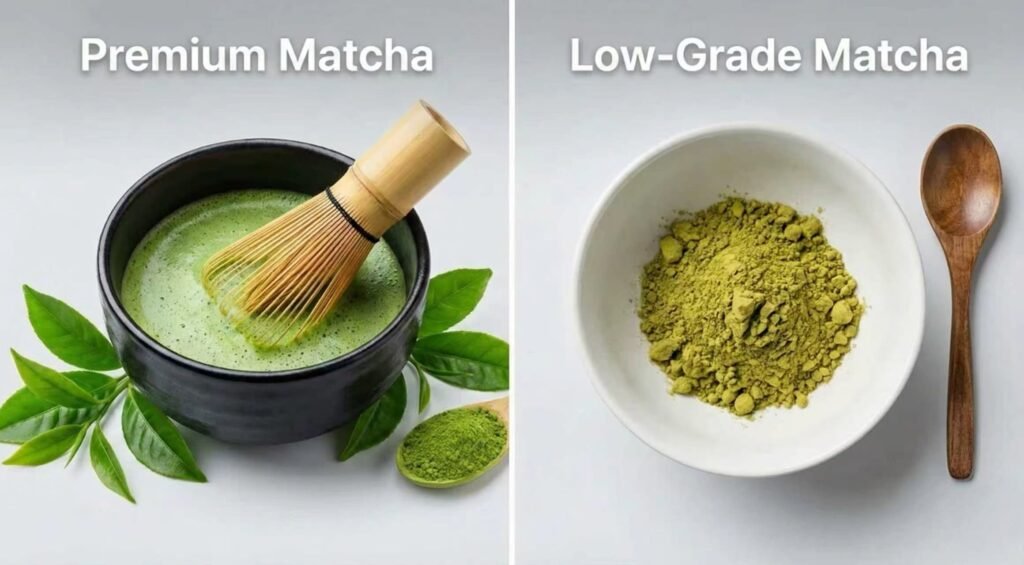
Matcha, the finely ground powder of specially grown and processed green tea leaves, is celebrated worldwide for its unique flavor, vibrant color, and health benefits. However, the market is flooded with products of varying quality. Knowing how to identify premium matcha ensures you enjoy its authentic taste and full nutritional value.
The Hallmarks of Premium Matcha
True, high-quality matcha is defined by a strict production process and sensory characteristics that are easy to spot once you know what to look for. Here are the key criteria for evaluation:
Why These Differences Exist: The Science Behind Quality
The stark contrast between good and bad matcha originates in its cultivation and processing:
Biguotea Matcha: A Commitment to Premium Standards
- Shade-Growing is Crucial: Premium matcha comes from tea plants shaded for 20-30 days before harvest. This boosts chlorophyll (for vibrant color) and the amino acid L-theanine (for umami and sweetness), while reducing catechins that cause bitterness.
- Processing Makes the Powder: After steaming and drying, leaves are deveined and destemmed to become “tencha.” Only slow-grinding tencha with stone mills produces the fine, unheated powder that defines authentic matcha.
- The “Green Tea Powder” Trap: Many inferior products are simply powdered green tea (绿茶叶磨成的粉). These lack shade-growing, are roasted at high heat, and are coarsely ground, resulting in a bitter, dull powder.
While specific proprietary details about Biguotea’s process are not available in public sources, a brand committed to quality would excel in the established criteria for premium matcha.
Based on industry standards, here is how a reputable brand like Biguotea would align with the benchmarks for excellence:
- Sourcing for Superior Flavor: Biguotea’s matcha likely sources leaves from renowned regions like Uji in Japan or Guizhou in China. Such regions are known for ideal climates and traditional expertise. By selecting the youngest, shade-grown leaves from the top of the plant, the foundation for a sweeter, more complex flavor is established.
- Authentic Production Methods: To preserve the delicate color and nutrients, the leaves would be processed using the traditional Japanese method of steam-heating. The final grinding would be done with granite stone mills, a method that prevents friction heat from damaging the tea’s qualities and creates the exceptionally fine powder necessary for a smooth drink.
- Purity and Safety: A trustworthy brand ensures its product is pure matcha powder without additives like sugar, milk powder, or artificial colors. Furthermore, commitment to safety means rigorous testing for contaminants, aligning with modern consumer demands for clean, transparently sourced ingredients.
Important Note: The above points describe the general practices of a high-quality matcha producer. For the specific advantages, sourcing details, and certifications of Biguotea Matcha, please refer to the brand’s official channels and product information.
How to Test Your Matcha at Home
You can easily apply the criteria above:
- Visual Test: Compare the powder’s color to a vibrant green vegetable. It should not be dull or yellow.
- Texture Test: Rub a pinch between your fingers. Premium matcha feels as smooth as eye shadow.
- Whisk Test: Sift ½ tsp into a bowl, add 70ml of hot water (80°C/175°F), and whisk. Good matcha froths easily into a creamy foam with tiny bubbles and stays suspended in the water.
Ultimately, choosing premium matcha is an investment in flavor, health, and tradition. By focusing on color, origin, and processing, you can confidently select a product that delivers the authentic, uplifting experience matcha is famous for.
If you are interested in learning about the specific health benefits associated with drinking high-quality matcha, I can provide more detailed information on that topic.